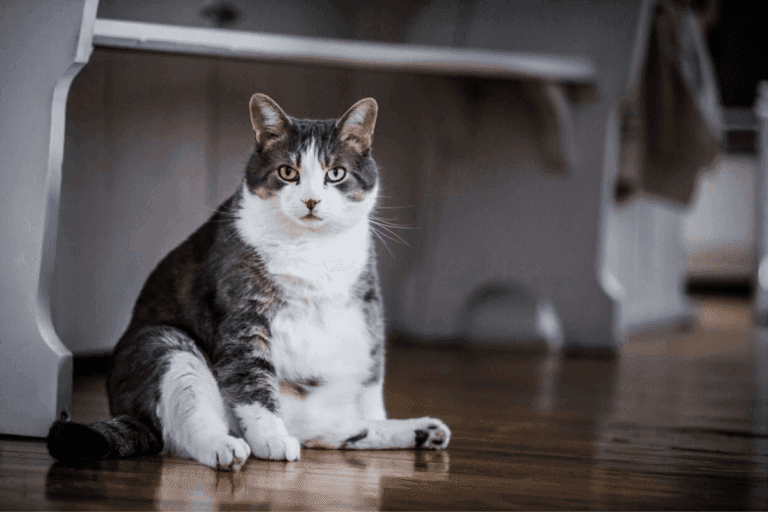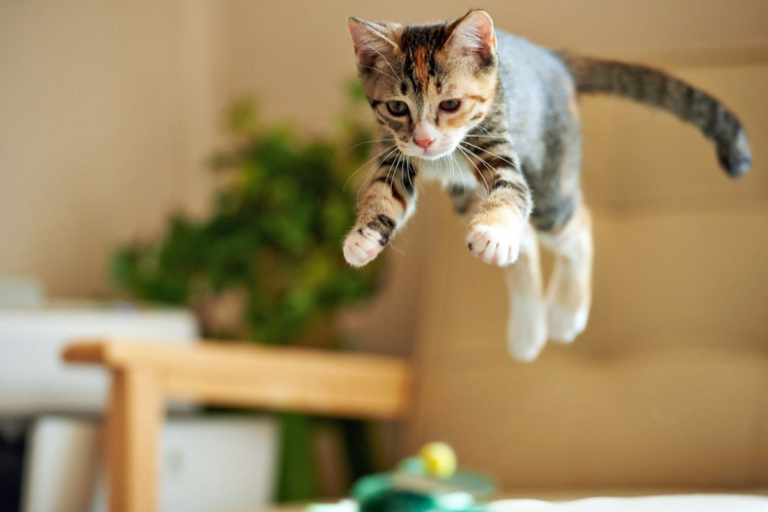
Just like humans, cats can suffer from the negative effects of a sedentary lifestyle. Lack of physical activity can lead to obesity, health issues, and behavioral problems. However, the amount of exercise a cat needs depends on its age, breed, personality, and lifestyle. This article explores why exercise is crucial for cats, how much they need, and creative ways to keep them active and engaged.
How Much Exercise Do Cats Need?
On average, cats need about 30 minutes of exercise per day to stay healthy and happy. However, this can vary depending on the individual cat. Kittens, for example, are bundles of energy and may require up to an hour or more of playtime daily. Older cats or those with a more laid-back personality might be content with shorter, less intense sessions.
Kittens: High Energy, High Needs
Kittens sleep a lot—up to 18 to 22 hours a day—but when they’re awake, they’re full of energy. They need plenty of playtime to burn off that energy and develop their physical and mental skills. Providing toys and interactive games can help kittens get the exercise they need while keeping them entertained.
Adult Cats: Balancing Activity and Rest
Adult cats tend to have bursts of energy throughout the day, often during dawn and dusk (their natural hunting times). Regular play sessions can help them stay fit and prevent boredom.
Senior Cats: Gentle Movement
Older cats may not be as active, but they still benefit from light exercise to maintain muscle tone and joint flexibility. Tailor activities to their energy levels and physical abilities.
Why Exercise is Important for Cats
Physical Health Benefits
- Weight Management: Regular exercise helps cats burn calories and maintain a healthy weight, reducing the risk of obesity-related conditions like diabetes and arthritis.
- Muscle Tone: Active play keeps muscles strong and supports overall physical health.
- Digestive Health: Movement can aid digestion and prevent issues like constipation.
Mental Health Benefits
- Stress Relief: Playtime reduces anxiety and stress, which can lead to destructive behaviors like scratching or over-grooming.
- Mental Stimulation: Interactive toys and games keep cats mentally sharp and engaged.
- Bonding: Playing with your cat strengthens your relationship and builds trust.
How to Provide Exercise for Indoor Cats
In the wild, cats get exercise through hunting and exploring. Indoor cats, however, rely on their owners to provide opportunities for physical activity. Here are some ideas to keep your cat moving:
Interactive Toys
- Wand Toys: These mimic prey and encourage your cat to chase, pounce, and jump. They’re great for bonding and providing a full-body workout.
- Puzzle Toys: Toys that dispense treats or require problem-solving keep cats mentally and physically engaged.
- Laser Pointers: While fun, use these sparingly and always end the game with a tangible toy to prevent frustration.
Cat Trees and Climbing Structures
Cat trees, shelves, and climbing structures provide vertical space for your cat to explore. They also satisfy your cat’s natural instinct to climb and perch.
Scratching Posts
Scratching is a natural behavior that helps cats stretch their muscles and maintain healthy claws. Provide scratching posts or pads to encourage this activity.
Exercise Wheels
Cat exercise wheels, similar to hamster wheels, are a great way for energetic cats to burn off steam. Ensure the wheel is safe and appropriate for your cat’s size.
Playdates with Other Pets
If you have multiple pets, supervised playdates can provide social interaction and exercise. However, ensure all animals get along and have their own space.
Outdoor Activities for Cats
Leash Training
Some cats enjoy walking on a leash. If your cat is comfortable with a harness, short outdoor walks can provide exercise and mental stimulation.
Catios (Cat Patios)
A catio is an enclosed outdoor space where your cat can safely enjoy fresh air and explore. It’s a great way to provide outdoor stimulation without the risks of free roaming.
Signs Your Cat Needs More Exercise
If your cat isn’t getting enough exercise, you may notice:
- Weight Gain: A sedentary lifestyle can lead to obesity.
- Destructive Behavior: Boredom or excess energy may result in scratching furniture or other unwanted behaviors.
- Lethargy: A lack of activity can make your cat seem uninterested or sluggish.
- Behavioral Issues: Anxiety, aggression, or excessive vocalization can stem from insufficient mental and physical stimulation.
What If Your Cat Doesn’t Want to Play?
Some cats are less interested in play, but there are ways to encourage them:
- Try Different Toys: Experiment with various types of toys to find what your cat enjoys.
- Schedule Playtime: Cats are most active during dawn and dusk, so try playing during these times.
- Involve Treats: Use treats or catnip to make playtime more enticing.
- Rule Out Health Issues: If your cat suddenly loses interest in play, consult your vet to rule out pain or illness, such as arthritis.
Frequently Asked Questions
Do Indoor Cats Need Walks?
While not necessary, some cats enjoy leash walks. If your cat is comfortable with a harness, short walks can provide exercise and mental stimulation.
How Do I Know If My Cat Is Getting Enough Exercise?
A healthy, active cat will maintain a good weight, exhibit playful behavior, and show no signs of stress or boredom. If you’re unsure, consult your vet.
What If My Cat Is Overweight?
Increase playtime gradually and switch to a balanced, portion-controlled diet. Your vet can provide a tailored weight-loss plan.
Can Other Pets Replace Human Interaction?
While other pets can provide companionship, they don’t replace the need for human interaction and enrichment. Each pet requires individual attention and care.
Final Thoughts
Exercise is a vital part of a cat’s overall health and well-being. By providing opportunities for physical activity and mental stimulation, you can help your cat stay fit, happy, and engaged. Whether through interactive toys, climbing structures, or outdoor adventures, there are countless ways to keep your feline friend active.
Remember, every cat is unique. Pay attention to your cat’s preferences and energy levels, and adjust their exercise routine accordingly. A little effort goes a long way in ensuring your cat leads a healthy, fulfilling life.