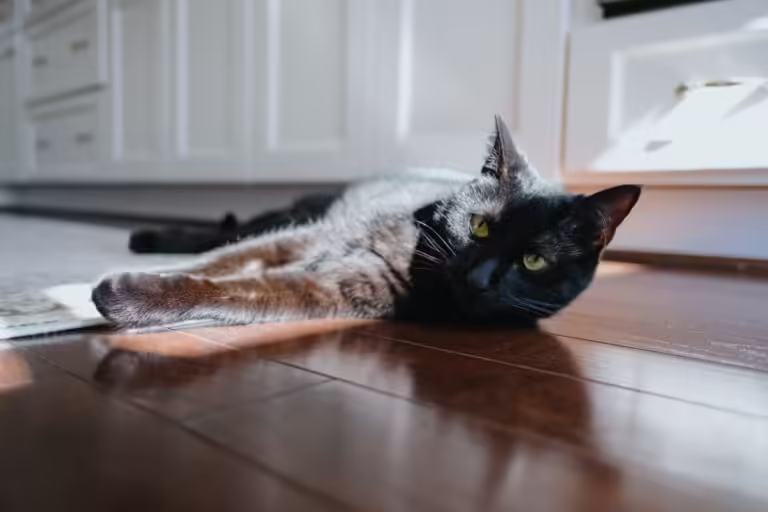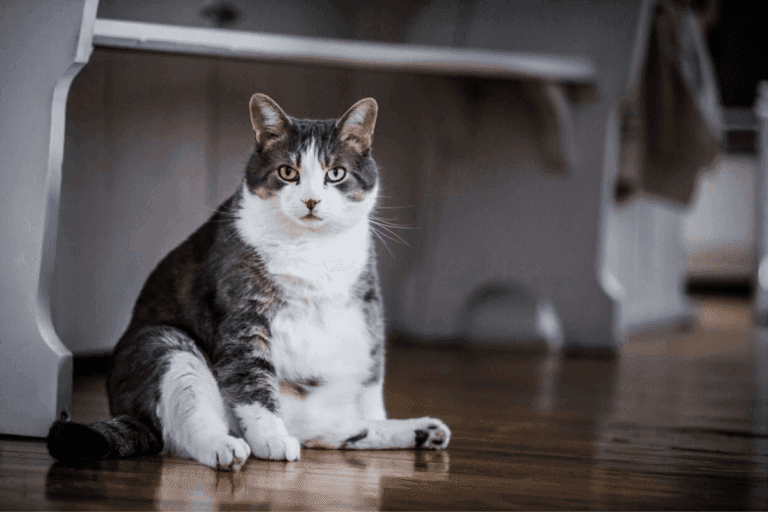
Obesity in cats is a growing concern worldwide, including in Romania. More and more pet owners are visiting veterinarians with concerns about their overweight feline companions. Obesity in cats can lead to serious health issues, such as diabetes and other chronic conditions, or it may simply result from a lack of exercise and an improper diet.
Fortunately, there are ways to help your cat lose weight, improving their overall health and well-being. In this article, we’ll explore the causes of feline obesity, its health risks, and practical steps to help your cat achieve a healthy weight.
Understanding Feline Obesity
Obesity in cats occurs when they consume more calories than they burn. This imbalance is more common in indoor cats, as they tend to be less active if not properly stimulated. If your cat leads a sedentary lifestyle, they’re unlikely to lose weight—just like humans. The best solution for overcoming feline obesity is a combination of diet and exercise.
Health Risks of Obesity in Cats
Carrying excess weight can lead to a range of health problems for your cat, including:
- Diabetes: Overweight cats are at a higher risk of developing diabetes due to insulin resistance.
- Joint Problems: Extra weight puts stress on joints, leading to arthritis and mobility issues.
- Heart Disease: Obesity can strain the heart and lead to cardiovascular problems.
- Liver Disease: Fatty liver disease (hepatic lipidosis) is a serious condition that can occur in overweight cats.
- Reduced Lifespan: Obese cats generally have shorter lifespans than their healthy-weight counterparts.
Preventing Obesity in Cats
Preventing obesity is easier than treating it. Here’s how you can help your cat maintain a healthy weight:
1. Control Portion Sizes
Overfeeding is a common cause of obesity. Measure your cat’s food portions carefully and avoid free-feeding (leaving food out all day). Follow the feeding guidelines on the food packaging or consult your veterinarian for personalized recommendations.
2. Choose the Right Food
Opt for high-quality cat food that is low in carbohydrates and rich in protein. Avoid cheap, filler-heavy foods that contribute to weight gain.
3. Encourage Physical Activity
Indoor cats need stimulation to stay active. Provide toys, climbing structures, and interactive games to keep them moving.
4. Limit Treats
While it’s tempting to spoil your cat with treats, overindulgence can lead to weight gain. Use treats sparingly and opt for healthy, low-calorie options.
How to Help Your Cat Lose Weight
If your cat is already overweight, don’t worry—there are steps you can take to help them shed those extra pounds. Here’s a practical guide:
1. Consult Your Veterinarian
Before starting any weight-loss plan, consult your vet. They can assess your cat’s health, recommend a target weight, and provide a tailored diet and exercise plan.
2. Switch to a Weight-Loss Diet
Your vet may recommend a special weight-loss formula that is low in calories but high in protein to help your cat feel full while losing weight. Wet food is often a good choice because it’s lower in calories and higher in moisture.
3. Increase Physical Activity
Encourage your cat to move more by incorporating playtime into their daily routine. Use toys that mimic prey, such as feather wands or laser pointers, to stimulate their hunting instincts. Aim for at least 15–20 minutes of active play each day.
4. Use Puzzle Feeders
Puzzle feeders or food-dispensing toys can make mealtime more engaging and encourage your cat to “work” for their food, burning calories in the process.
5. Monitor Progress
Weigh your cat regularly to track their progress. You can do this at home by weighing yourself while holding your cat and then subtracting your weight. Aim for gradual weight loss—about 1–2% of their body weight per week.
Dealing with the “Begging” Behavior
Many cat owners struggle with their cat’s adorable begging behavior—those pleading eyes and soft meows that make it hard to resist giving treats. Here’s how to handle it:
1. Set Boundaries
Establish a routine and stick to it. Avoid giving in to begging, as this reinforces the behavior.
2. Redirect Their Attention
When your cat begs, redirect their focus to a toy or a game. This not only distracts them but also encourages physical activity.
3. Use Healthy Treats
If you must give treats, choose low-calorie options and limit the quantity. You can also break treats into smaller pieces to make them last longer.
The Role of Exercise in Weight Loss
Exercise is crucial for helping your cat lose weight and stay healthy. Here are some fun and effective ways to keep your cat active:
1. Interactive Toys
Toys that mimic prey, such as feather wands or toy mice, can stimulate your cat’s natural hunting instincts and keep them engaged.
2. Climbing Structures
Cat trees, shelves, and climbing towers provide opportunities for your cat to climb, jump, and explore.
3. Laser Pointers
Laser pointers are a great way to get your cat moving. Just be sure to end the game with a tangible toy to prevent frustration.
4. Hide-and-Seek with Food
Hide small portions of food around the house to encourage your cat to “hunt” for their meals. This stimulates their mind and body.
Diet and Nutrition for Weight Loss
A balanced diet is key to helping your cat lose weight. Here’s what you need to know:
1. Wet Food vs. Dry Food
Wet food is often recommended for weight loss because it’s lower in calories and higher in moisture, which helps your cat feel full. Dry food can be used in moderation but should be portion-controlled.
2. High-Protein, Low-Carb Diet
Cats are obligate carnivores, meaning they thrive on a diet rich in animal protein. Avoid foods high in carbohydrates, which can contribute to weight gain.
3. Portion Control
Feed your cat smaller, more frequent meals to prevent overeating. Use a measuring cup to ensure accurate portions.
4. Avoid Free-Feeding
Leaving food out all day can lead to overeating. Stick to scheduled meal times instead.
Conclusion: Helping Your Cat Achieve a Healthy Weight
Helping your cat lose weight requires patience, consistency, and a commitment to their health. By combining a balanced diet with regular exercise, you can help your cat shed excess pounds and reduce their risk of obesity-related health issues. Remember, gradual weight loss is safer and more sustainable than rapid changes.
Final Tips for Success
- Be Patient: Weight loss takes time, so don’t get discouraged if progress is slow.
- Stay Consistent: Stick to your cat’s diet and exercise plan, even when it’s challenging.
- Celebrate Small Wins: Every pound lost is a step toward better health.
- Consult Your Vet Regularly: Regular check-ups ensure your cat is on the right track and allow for adjustments to their plan if needed.
By taking these steps, you can help your cat live a longer, healthier, and happier life. Remember, a healthy cat is a happy cat!