

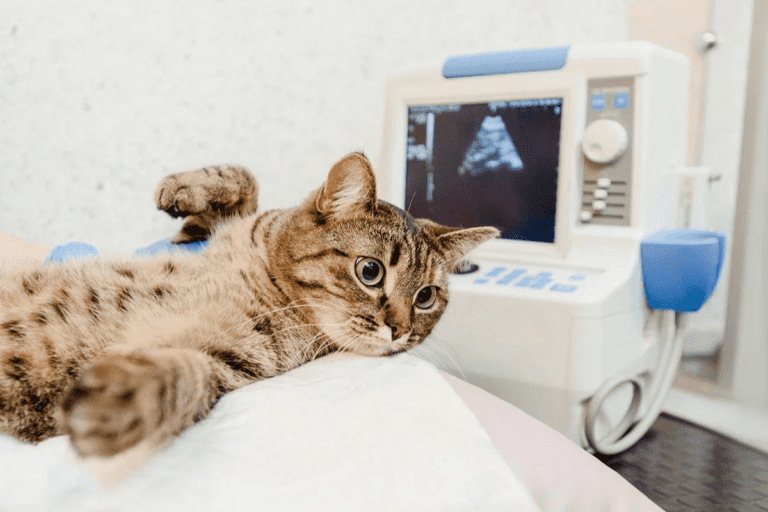
If you have cats, you’ve likely seen them vomit at least once. Vomiting in cats is common, but it’s never normal for healthy cats to do so. However, it’s not always something that requires treatment, nor does it always necessitate an emergency trip to the vet. When should you take a vomiting cat to the vet? Why do cats vomit? What treatments are available to help cats who feel unwell due to vomiting? These are the questions we’ll address in this article.
Why Do Cats Vomit? Types of Vomiting
Vomiting in cats can be divided into two broad categories: chronic vomiting and acute vomiting. Chronic vomiting means the cat vomits with some regularity (at least once a month, but it could be daily) over a long period. The cat usually vomits only once or twice per episode.
When a cat that doesn’t usually vomit starts vomiting, it’s considered acute. Diagnostic investigations and treatments for acute and chronic vomiting can differ, as can the level of risk and urgency in bringing the cat to the vet.
Urgent care is usually necessary for a cat with acute vomiting. The exception is a cat that has only vomited one to three times and is otherwise normal. If the cat still wants to eat, does so without continuing to vomit, behaves normally, and seems comfortable, then the cat likely doesn’t need to be taken to an emergency vet unless you know they’ve ingested something toxic.
My Cat Is Vomiting! Should I Take Them to the Vet?
If your cat vomits more than three times and seems lethargic, they should be seen by a veterinarian as soon as possible. It could just be a mild, passing nausea, but if it’s something more serious, treatment should be implemented promptly. If your cat’s health seems to deteriorate rapidly overnight, an emergency visit is recommended.
Cats that vomit continuously and cannot keep food in their stomach are at risk of secondary complications, most notably liver disease, so delaying treatment can be dangerous for them.
A cat that vomits chronically should still be seen by a veterinarian. It’s not urgent if the cat is still eating, not vomiting up food, not showing signs of weakness, and seems comfortable.
In the past, a cat that vomited a few times a month was considered normal, but this idea has changed. Some even believe that a cat that frequently vomits hairballs might have a gastrointestinal disease that prevents hairballs from passing normally. Treatment isn’t always necessary for a cat that vomits chronically, but an examination and investigations should be done to ensure the cat is healthy and doesn’t need intervention at that time.
Causes of Vomiting in Cats
The causes of acute or chronic vomiting can be the same, but there are exceptions. Toxins are generally not a cause of chronic vomiting (unless a cat is chronically exposed to the same toxin, such as eating a toxic plant). Ingestion of a foreign object (usually a string) is not typically a cause of chronic vomiting—though if the foreign object remains in the stomach, it could cause chronic vomiting.
Unfortunately, vomiting is a very vague symptom, and the causes are extremely varied. In fact, almost any feline disease can result in vomiting. Generally, the causes of vomiting can be grouped into one of these categories: toxins, medications, diet (including eating inappropriate things), gastric (stomach), intestinal, organ dysfunction, endocrine, neurological (typically brain-related), infectious, and cancer.
Within each of these categories, there are dozens of specific diseases and syndromes.
Some of the more common causes include:
- Toxins: Lilies, antifreeze
- Medications: Chemotherapy, antibiotics, anti-inflammatories
- Diet: Food intolerance, sudden diet change, eating a dead animal
- Gastric: Foreign objects, ulcers, stomach inflammation
- Intestinal: Foreign objects, acute inflammation, inflammatory bowel disease (more typically chronic), cancer, constipation
- Organ Dysfunction: Liver disease, kidney disease, pancreatitis
- Endocrine: Hyperthyroidism (overactive thyroid gland), high calcium levels, diabetic ketoacidosis
- Neurological: Vestibular disease (may be associated with inner ear disease), encephalitis (brain inflammation), cancers
- Infectious: Feline infectious peritonitis, feline panleukopenia, heartworm disease
- Cancer: Can be a direct cause, such as intestinal cancer, or an indirect cause, such as mast cell tumors in the skin
Diagnosing the Cause of Vomiting
Diagnosing the cause of vomiting in a cat can be challenging. Most cases of acute vomiting are transient and resolve with symptomatic therapy and time. However, a basic investigation is usually recommended to ensure nothing more serious is happening.
The starting point in determining the cause of vomiting is obtaining an accurate history. Here are some questions your vet might ask:
- Has the cat been exposed to plants or other toxins?
- When did the vomiting start?
- What is the cat’s normal diet?
- Does the cat go outside, and if so, do they hunt?
- What is in the vomit?
- Is the cat on any medications?
- Is there diarrhea?
- Is the cat eating?
- When does the vomiting occur (in relation to food or other activities)?
- Is the cat losing weight?
- Is the cat drinking a lot of water or urinating frequently?
- Does the cat play with string?
Types of Vomit
The appearance of vomit doesn’t provide a definitive answer as to why a cat is vomiting, but it can give the vet a starting point for investigation. While not a perfect correlation, the following characteristics and types of vomit can provide some clues:
- Yellow vomit: This is bile and may indicate liver disease, but it often occurs on an empty stomach. It could also mean the cat ate something yellow.
- Clear vomit: This could be regurgitation from the esophagus or an empty stomach.
- White, foamy vomit: Typically regurgitation from the esophagus or an empty stomach.
- Blood in vomit: The blood may come from the mouth, esophagus, or stomach.
- Coffee-ground vomit: This type comes from stomach bleeding, most commonly seen with ulcers.
- Brown, foul-smelling vomit: This could be from bleeding in the upper gastrointestinal tract or from eating something brown and foul-smelling.
- Undigested food in vomit: This means the food never left the stomach. It can occur with food intolerances, allergies, obstructions, or anything that irritates the upper gastrointestinal tract. It’s important to know when the cat last ate. For example, if the cat hasn’t eaten for a day and vomits undigested food, this could indicate an obstruction or gastric motility disorder.
Tests and Veterinary Examination
The next step is a thorough physical examination by the veterinarian. The vet may look for things like abdominal pain, masses or swelling in the abdomen or other parts of the body, an obvious foreign object (such as a string under the tongue), evidence of weight loss, an enlarged thyroid gland, or fever.
Abdominal X-rays
If needed, initial tests are usually abdominal X-rays and blood work, along with a urinalysis. X-rays can reveal abnormalities in organ size and shape, foreign objects, tumors, constipation, and other issues that the vet may not detect during a physical exam.
Blood Tests
Blood tests can detect problems like organ dysfunction and diagnose endocrine disorders such as diabetes and hyperthyroidism. This can help identify the cause of vomiting more quickly. A urinalysis is necessary alongside blood tests to diagnose conditions like diabetes, kidney disease, and urinary tract infections.
Blood tests can also provide clues about exposure to certain toxins. Unfortunately, there aren’t many tests to diagnose toxin exposure, so it’s often necessary for the caregiver to know about potential toxin exposure and recognize classic signs of poisoning.
Endoscopy
To determine why a cat is vomiting, an endoscopy may be recommended. Endoscopy allows the vet to look for foreign objects in the stomach that aren’t visible on X-rays and can be used to retrieve foreign objects. This procedure also allows visualization of the stomach and upper intestinal lining to look for abnormalities and can be used to collect samples from the upper gastrointestinal tract.
Treatments for a Vomiting Cat
Treatment for vomiting varies greatly depending on the cause, and describing treatments for each individual cause is beyond the scope of this article. However, many treatments for vomiting cats include:
Fluid Therapy
If the physical exam reveals no abnormalities and nothing in the cat’s history raises red flags, the vet may decide to provide only symptomatic therapy, such as subcutaneous (under the skin) fluids. Even if an animal isn’t clinically dehydrated, fluid therapy can be important to flush the system and maintain hydration. A vomiting cat is likely mildly dehydrated just from fluid loss and the inability to retain water.
Dehydration is a self-perpetuating problem, meaning that when animals are dehydrated, they don’t feel well and are less likely to eat or drink, which further dehydrates them.
Fluid therapy is recommended for almost any cause of vomiting. If an animal is severely dehydrated or weak, intravenous fluids are often recommended. This involves placing a catheter in a vein and administering fluids directly. It’s a more direct way to deliver fluids, and more fluids can be administered this way over the course of a day.
The downside is that intravenous fluids are significantly more expensive and require the cat to stay in the hospital. However, especially for a severely dehydrated patient, subcutaneous fluids aren’t absorbed well, and intravenous fluids are necessary to help the cat.
Anti-Vomiting Medication
Another common therapy for most types of vomiting is the administration of anti-vomiting medication, which can help stop vomiting and reduce fluid loss. These medications can also alleviate abdominal discomfort and make the cat more likely to eat.
Sometimes, stomach protectants may also be indicated, though their usefulness is debated. They generally don’t cause harm. If anti-vomiting medications don’t adequately control pain, a pain medication may be added to the cat’s treatment plan.
Dietary Changes
For cats that vomit chronically or acutely, one of the most important treatments is a dietary change. For a cat with acute vomiting, this might involve a temporary switch to a more easily digestible diet.
If the new food controls the vomiting, it suggests that the vomiting was partially caused by a food intolerance, allergy, or possibly mild inflammatory bowel disease.
Keep chronically vomiting cats on the new diet for a few weeks to see if it works. The cat should be on one of the diets described above or a diet prescribed by the veterinarian.
Conclusion
It’s always recommended to visit a veterinarian to determine why your cat is vomiting and to avoid worsening their condition! Early diagnosis and treatment can make a significant difference in your cat’s health and comfort.


