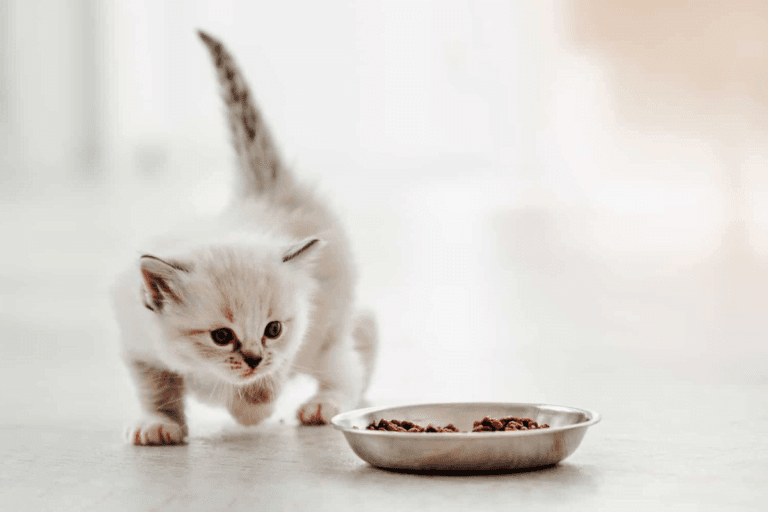
Feeding newborn kittens is a delicate and crucial task, especially if they are orphaned or their mother is unable to care for them. From the moment they are born until they reach adulthood, kittens have specific nutritional needs that must be met to ensure healthy growth and development. This guide will walk you through the stages of feeding kittens, from newborn to adulthood, and provide tips on how to handle common challenges.
Feeding Newborn Kittens (0–4 Weeks)
In an ideal situation, a mother cat will nurse her kittens for the first few weeks of life. Her milk provides essential nutrients that help kittens transition from milk to solid food. However, if the mother is absent or unable to nurse, you’ll need to step in.
1. Bottle-Feeding with Kitten Formula
- Formula Choice: Use a commercial kitten milk replacer or a homemade formula recommended by your veterinarian. Never feed cow’s milk, as it lacks the necessary nutrients and can cause digestive issues.
- Feeding Schedule: Newborn kittens (under 2 weeks old) need to be fed every 2 hours, including overnight. Kittens aged 2–4 weeks can be fed every 3–4 hours.
- How to Feed: Use a small bottle with a kitten-specific nipple. Hold the kitten in a natural, belly-down position and allow them to suckle at their own pace. Avoid overfeeding; a full kitten will stop eating on their own.
2. Monitoring Growth
- Weight Gain: Weigh the kitten daily to ensure they are gaining weight. A healthy kitten should gain about 10–15 grams per day.
- Hydration: Ensure the kitten stays hydrated. If they appear dehydrated (e.g., lethargy, dry gums), consult your vet immediately.
Feeding Kittens (4–5 Weeks)
At around 4 weeks, kittens are ready to start transitioning to solid food. This process should be gradual to avoid digestive upset.
1. Introducing Solid Food
- Mixing Formula with Wet Food: Start by mixing a small amount of wet kitten food with formula to create a slurry. Offer this mixture on a spoon or shallow dish.
- Encouraging Eating: Gently rub a small amount of the mixture on the kitten’s lips to encourage them to lick it off. Be patient; it may take time for them to get used to the new texture.
2. Continuing Bottle-Feeding
While introducing solid food, continue offering formula via a bottle to ensure the kitten receives adequate nutrition. Gradually reduce the amount of formula as the kitten becomes more comfortable with solid food.
3. Providing Water
At 4 weeks, introduce a small bowl of fresh water. Kittens may not drink much at first, but it’s important to make water available.
Feeding Kittens (6–8 Weeks)
By 6–8 weeks, kittens should be fully weaned from the bottle and eating solid food.
1. Choosing the Right Food
- Kitten-Specific Food: Feed a high-quality, commercially available kitten food that is specifically formulated for their nutritional needs.
- Wet vs. Dry Food: Offer a mix of wet and dry food to help kittens get used to both textures. Wet food provides hydration, while dry food helps with dental health.
2. Feeding Schedule
- Frequency: Feed kittens 3–4 times a day, depending on their appetite.
- Portion Control: Follow the feeding guidelines on the food packaging, adjusting portions based on the kitten’s growth and activity level.
3. Hydration
Always provide fresh water. Kittens are prone to dehydration, so ensure they have access to clean water at all times.
Feeding Kittens (8 Weeks to 6 Months)
Between 8 weeks and 6 months, kittens experience rapid growth and require a nutrient-rich diet.
1. Feeding Schedule
- Frequency: Continue feeding 3–4 times a day.
- Portion Size: Adjust portions as the kitten grows, ensuring they receive enough calories to support their development.
2. Dental Health
- Chew Toys: Introduce chew toys to help with teething and promote dental health.
- Avoid Bones: Do not feed cooked bones, as they can splinter and cause internal damage. Raw bones should only be given under supervision and in appropriate sizes.
3. Transitioning to Adult Food
At around 6 months, you can begin transitioning your kitten to adult cat food. Do this gradually over 7–10 days by mixing increasing amounts of adult food with their kitten food.
Feeding Stray or Orphaned Kittens
If you find a stray kitten, follow the same feeding guidelines as for domestic kittens. However, take the kitten to a veterinarian as soon as possible to:
- Determine their age.
- Check for parasites or illnesses.
- Get advice on their specific nutritional needs.
Handling Diarrhea in Kittens
Diarrhea in kittens can be caused by parasites, dietary changes, or more serious health issues. It’s important to address it promptly to prevent dehydration.
1. Rehydration
- Electrolyte Solution: Replace water in the kitten’s formula with an unflavored electrolyte solution to replenish lost fluids and nutrients.
- Veterinary Care: If diarrhea persists, consult your vet immediately.
2. Dietary Adjustments
- Bland Diet: Offer a bland diet, such as boiled chicken and rice, until the diarrhea subsides.
- Probiotics: Ask your vet about adding probiotics to the kitten’s diet to support gut health.
Foods to Avoid for Kittens
Certain foods are toxic to kittens and should never be fed to them. These include:
- Alcohol
- Onions and Garlic
- Chocolate
- Caffeine
- Grapes and Raisins
- Moldy or Spoiled Food
- Avocado
- Yeast Dough
- Nuts
- Bones (especially cooked bones)
Transitioning to Adult Cat Food
When your kitten reaches their first birthday, it’s time to transition to adult cat food. Here’s how to do it:
1. Gradual Transition
- Mixing Foods: Gradually mix increasing amounts of adult food with their kitten food over 7–10 days.
- Monitoring: Watch for any signs of digestive upset, such as vomiting or diarrhea, and adjust the transition pace if needed.
2. Portion Control
- Scheduled Meals: Avoid free-feeding (leaving food out all day). Instead, offer meals at set times to monitor their intake and prevent overeating.
- Weight Management: Adjust portions based on your cat’s activity level and weight to prevent obesity.
Conclusion
Feeding a kitten requires attention to detail and a commitment to their nutritional needs. By following these guidelines, you can ensure your kitten grows into a healthy, happy adult cat. Always consult your veterinarian for personalized advice, especially if you encounter challenges like diarrhea or weight loss.
With proper care and nutrition, your kitten will thrive and bring joy to your life for years to come.
Final Thoughts
Raising a kitten is a rewarding experience that comes with its own set of challenges. Proper nutrition is the foundation of their health and well-being, so it’s essential to provide a balanced diet tailored to their developmental stages. Remember, every kitten is unique, and what works for one may not work for another. Stay observant, be patient, and don’t hesitate to seek professional advice when needed.
By investing time and effort into their care, you’ll be rewarded with a loving and healthy feline companion.