

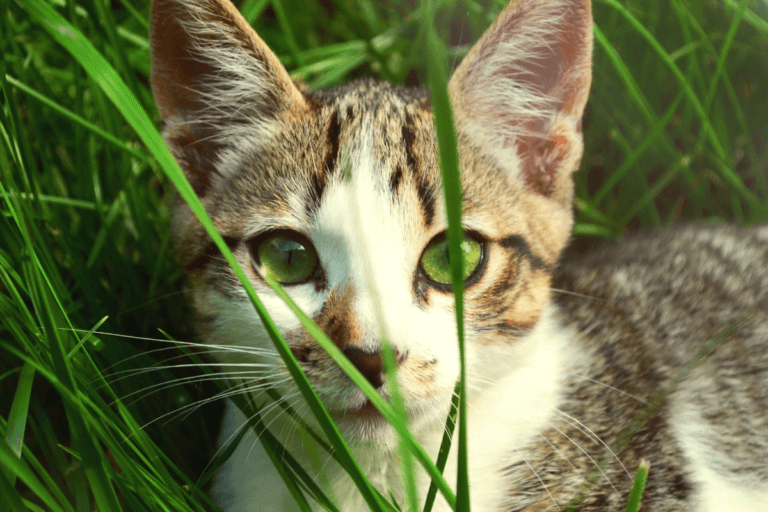
If you’ve ever noticed your cat munching on grass in the garden or from a potted plant indoors, you might have wondered: Should cats eat grass? Is it safe for them, and should you be concerned if your cat eats grass and then vomits? Many cats love eating grass, and the good news is that it’s usually nothing to worry about—it might even have some benefits for your feline friend! In this article, we’ll explore why cats eat grass, whether it’s safe, and how to manage this behavior.
Why Do Cats Eat Grass?
The exact reason why cats eat grass isn’t fully understood, but there are several theories:
1. Aids Digestion
When cats hunt and eat prey in the wild, they often consume bones, fur, or feathers, which can be difficult to digest and may cause constipation. Additionally, grooming can lead to hairballs. Eating grass can help cats vomit or act as a natural laxative, aiding in the elimination of indigestible materials.
2. Provides Essential Nutrients
Grass contains nutrients like fiber and folic acid, which your cat might not get enough of in their regular diet. This could explain why they’re drawn to it. To ensure your cat gets all the nutrients they need, provide a high-quality, balanced diet.
3. Instinctual Behavior
Some experts believe that eating grass is an instinctual behavior inherited from wild ancestors. It may help cats purge their digestive systems of parasites or other irritants.
Is Grass Safe for Cats?
Grass is generally safe for cats to eat, with a few exceptions:
1. Avoid Treated Grass
Grass treated with herbicides, pesticides, or other chemicals can be toxic to cats. If your cat loves eating grass, make sure it’s free from harmful substances.
2. Watch for Physical Hazards
- Inhaled Grass: A blade of grass can accidentally get inhaled and stuck in your cat’s nasal passage, causing excessive sneezing. If this happens, take your cat to the vet to remove the grass.
- Digestive Blockages: In rare cases, grass can cause blockages in the digestive system. If your cat shows signs of illness (e.g., vomiting, lethargy, or loss of appetite), consult your vet.
- Grass Seeds: During the summer, grass seeds can become lodged in your cat’s ears, nose, eyes, or paws, leading to irritation or infection.
3. Toxic Grass Varieties
Most common grasses are safe, but some types, like arrow grass (found in marshes and coastal areas), are toxic if consumed in large quantities. Fortunately, this type of grass is unlikely to be found in your backyard.
Why Do Cats Eat Grass and Then Vomit?
If your cat eats grass and then vomits, it’s usually intentional. Cats can’t digest large amounts of grass, so eating it often triggers vomiting. This helps them expel indigestible materials like hair, feathers, bones, or parasites from their stomach, making them feel better.
However, if your cat vomits frequently or shows other signs of illness (e.g., lack of appetite or lethargy), it’s important to consult your vet to rule out underlying health issues.
How to Encourage Your Cat to Eat Grass Safely
If your cat enjoys eating grass, you can provide a safe and controlled environment for this behavior:
1. Grow Cat Grass Indoors
Plant a small pot of cat grass (such as wheatgrass, oat grass, or barley grass) indoors. This ensures the grass is free from chemicals and safe for your cat to nibble on.
2. Place It Strategically
Put the grass pot in an area where your cat spends most of their time. This can also distract them from chewing on other houseplants, some of which may be toxic.
3. Monitor Their Behavior
While most cats don’t need encouragement to eat grass, some may ignore it. If your cat isn’t interested, don’t force them—it’s not essential for their health.
How to Discourage Cats from Eating Grass
While eating grass is a natural behavior for cats, there are times when you might want to discourage it:
1. Remove Access to Unsafe Grass
If your cat is eating grass treated with chemicals or from an unsafe area, restrict their access to it.
2. Provide Alternatives
Offer your cat safe alternatives, such as cat grass or chew toys, to satisfy their urge to nibble.
3. Protect Your Plants
If your cat is eating grass or other plants you don’t want them to, consider placing the plants out of reach or using deterrents like citrus peels or pet-safe sprays.
Benefits of Cats Eating Grass
While it might seem strange, eating grass can have some benefits for your cat:
1. Natural Digestive Aid
Grass can help cats expel hairballs and other indigestible materials, promoting a healthier digestive system.
2. Mental Stimulation
Chewing on grass can provide mental stimulation and satisfy your cat’s natural instincts.
3. Nutritional Boost
Grass contains nutrients like fiber and folic acid, which can complement your cat’s diet.
When to Be Concerned
While grass-eating is generally harmless, there are situations where you should seek veterinary advice:
- Frequent Vomiting: If your cat vomits excessively after eating grass, it could indicate an underlying health issue.
- Signs of Illness: Lethargy, loss of appetite, or changes in behavior warrant a vet visit.
- Ingestion of Toxic Plants: If your cat eats grass or plants treated with chemicals, contact your vet immediately.
Conclusion: Should Cats Eat Grass?
In most cases, eating grass is a normal and harmless behavior for cats. It can aid digestion, provide nutrients, and satisfy their natural instincts. However, it’s important to ensure the grass is safe and free from chemicals. If you’re concerned about your cat’s grass-eating habits or notice any signs of illness, consult your veterinarian.
Final Tips for Cat Owners
- Provide Safe Grass: Grow cat grass indoors to give your cat a safe option.
- Monitor Their Health: Keep an eye on your cat’s behavior and consult your vet if you notice any issues.
- Avoid Toxic Plants: Ensure your cat doesn’t have access to plants treated with chemicals or those that are toxic to cats.
- Balance Their Diet: Offer a high-quality, balanced diet to meet all your cat’s nutritional needs.
By understanding why cats eat grass and how to manage this behavior, you can ensure your feline friend stays happy, healthy, and safe.


